Pet Orthopedic Surgery in Bellingham, WA
Pet orthopedic surgery treats injuries and conditions that affect the bones, joints, and ligaments. At our clinic in Bellingham, we care for dogs and cats with a gentle, low-stress approach. Our team explains every option, so you can choose the next step with confidence.
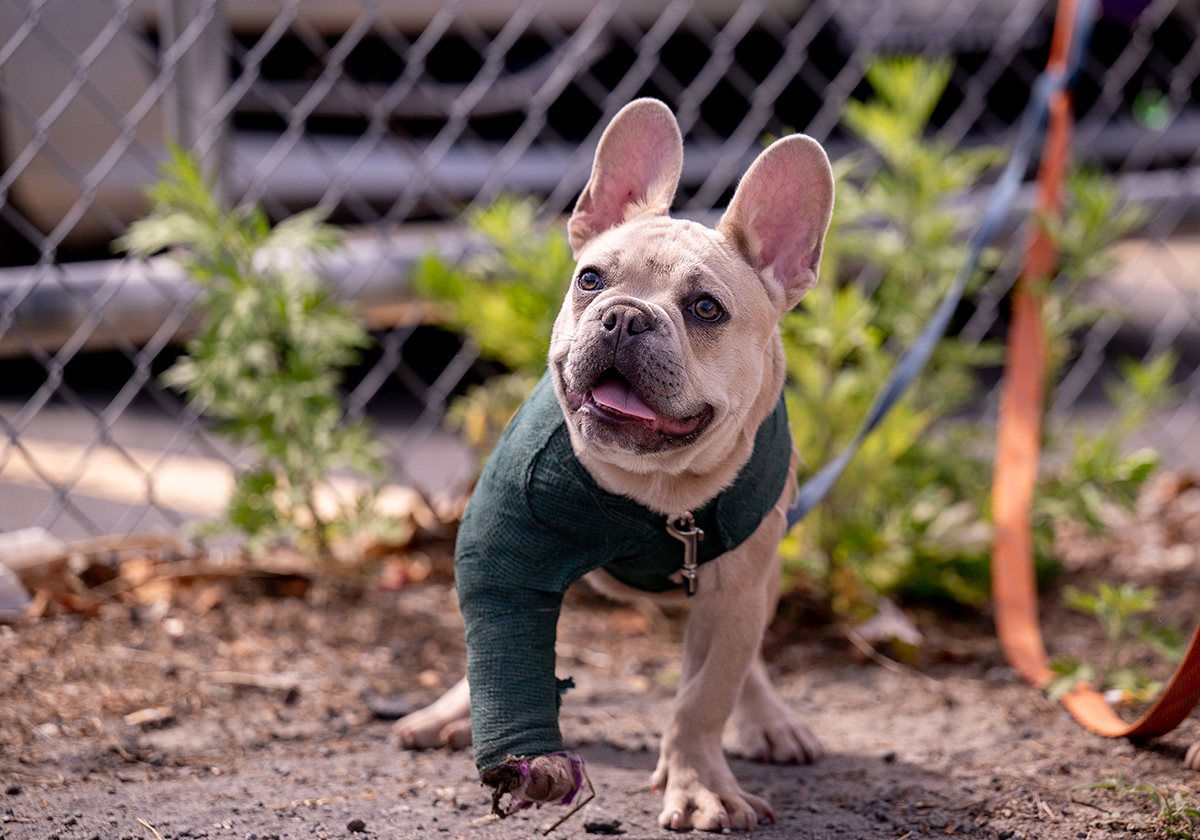
What Is Pet Orthopedic Surgery?
If your pet needs orthopedic care, our veterinarians can examine your pet and review your options. We recommend a plan based on your pet’s age, size, lifestyle, and overall health. If your pet needs care beyond what we offer, we will tell you and help with next steps.

Signs Your Pet May Need an Orthopedic Exam
- Limping or favoring one leg
- Stiffness after rest or exercise
- Trouble jumping, climbing stairs, or rising
- Swelling around a joint
- Sudden lameness after play or a fall
TPLO Surgery for Pets
TPLO is not the right choice for every dog. After an exam and imaging, we discuss all reasonable options with you. Depending on your dog, that may include stem cell and platelet-rich plasma therapy, a service we’ve proudly offered since 2011.

How We Diagnose and Plan

Comfort and Safety During Surgery
Your pet’s comfort and safety guide every step. We tailor anesthesia and pain control to each patient and monitor vital signs closely throughout the procedure. Afterward, we review aftercare instructions with you, including activity limits, pain relief, and incision care.
Post-Op Care, Recovery, and Rehabilitation
Recovery is just as important as the procedure itself. Many pets need restricted activity and follow-up visits, and we walk you through each stage. Our pet rehabilitation services include an underwater treadmill and therapeutic laser. These tools may help many pets rebuild strength and comfort after surgery.


Gentle Orthopedic Care Close to Home
When a limp or injury slows your pet down, you want a team you can trust. Since 1986, our veterinary team has cared for dogs and cats across Whatcom County with patience and honesty. Our veterinarians bring decades of combined experience, and we always explain your options and what to expect. Orthopedic surgery is one of our veterinary services, and your pet can see familiar faces from exam to recovery.